The Drawer That Saves the Day: Building a Honiton Card Stash Before the Panic
Every Honiton home has a drawer like this. It is the one just below the tea towels, or beside the takeaway menus, or under the box of birthday candles that somehow still has four candles in it. You open it on a Tuesday evening, hoping for a card, and find a takeaway leaflet, a stray screwdriver and a Christmas tag from three years ago.
That is the moment the card panic begins. The school bag is by the door, tea is half-made, and someone has just remembered that there is a birthday tomorrow. The card becomes a rushed trip to the High Street, a limited choice, and a slightly hollow feeling that the whole thing was done in a hurry.
A card stash does not have to be a grand stationery project. It is more like a household insurance policy: a handful of good cards, a few envelopes, a pen that works, kept somewhere sensible. It is not about buying in bulk or turning your spare room into a branch of a paper shop. It is about giving future-you a small, kind advantage.
Why the last-minute card panic feels so local
Honiton is a town that still notices these things. We see the same faces on the school run, in the queue at the bakery, at the counter on a Saturday morning. A card is often part of a wider conversation: the neighbour whose mum is recovering, the child in Class 4 with a birthday, the colleague who has finally passed their driving test.
That is lovely, but it also means card moments arrive thick and fast. Birthdays cluster. Exam results land. People move house. Someone has a baby. Someone retires. And because we are a proper paper-shop sort of town, we still like to mark these things with something you can hold, sign and hand over.
The problem is not that we do not care. It is that care and admin often arrive at the same time. A stash simply separates the two. You buy the card when you have five quiet minutes, then write it when life is busy. The thought is still there, because you chose it deliberately.
What belongs in a sensible stash
Think small and useful rather than large and random. A good starting point is six to eight cards, with a couple of envelopes to spare. The exact mix depends on your life, but a practical Honiton drawer might include:
- Two birthday cards that suit a range of ages, perhaps one bright and cheerful, one quieter and more grown-up.
- One sympathy card, kept simple and sincere.
- One congratulations card for exam results, new jobs, new homes or good news in general.
- Two thank-you cards, because thank-you moments come round far more often than we expect.
- One blank card for the occasions that do not fit a label: a get-well note, a welcome to the street, a small hello.
It is also worth keeping a spare envelope or two and a decent pen in the same place. A card without an envelope is only half a rescue. A card with an envelope but no working pen is the sort of small frustration that turns a five-minute job into a ten-minute rummage.
Choosing cards that work more than once
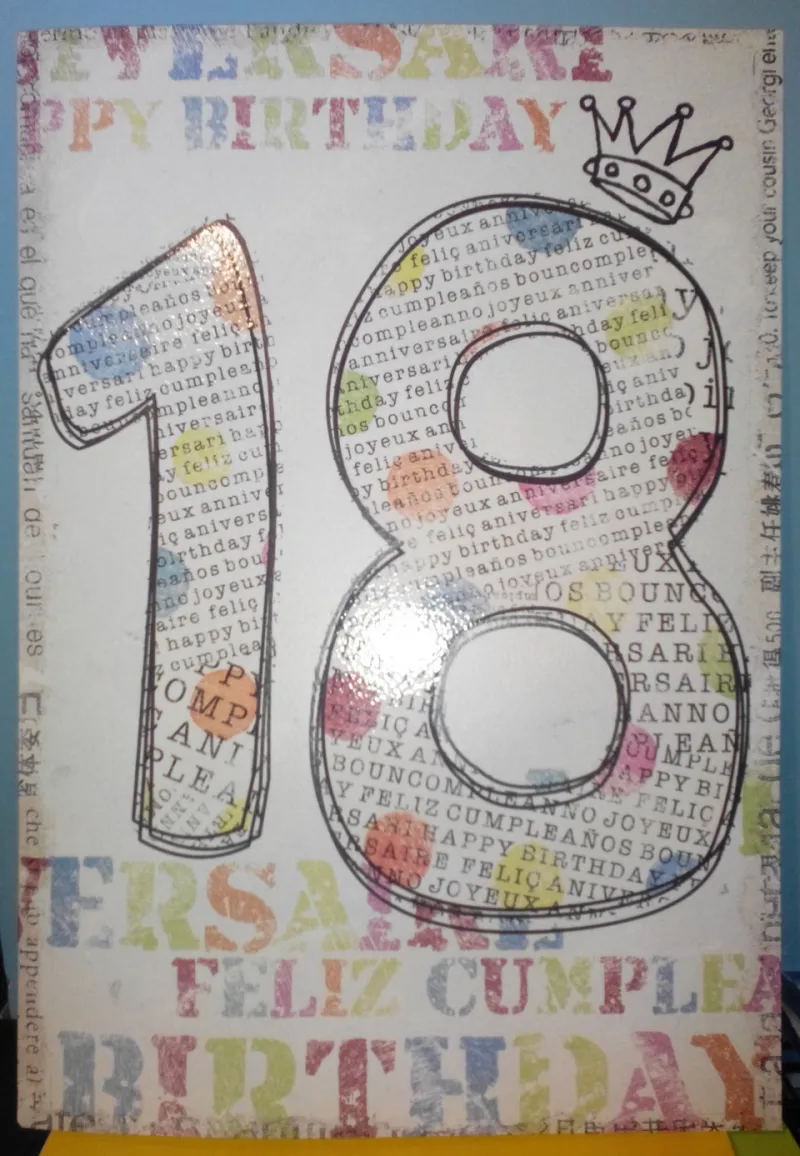
When you are choosing for a stash, look for designs that are warm but not overly specific. A card that says 'Happy Birthday' in a clean, friendly design will work for a neighbour, a colleague or a family friend. A sympathy card should avoid jokes and excessive decoration; something restrained and thoughtful is easier to write in when the time comes.
This is where buying from a local paper shop has a quiet advantage. You can see the card in your hand, check the size, feel the paper and choose something that does not look like it came from a petrol station at 9pm. You can also ask for a second opinion, which is often more useful than scrolling through pages of designs when you are already in a hurry.
If you are building a stash for the first time, resist the urge to buy twelve cards with the same design. Variety helps, but so does restraint. A small selection you actually like will get used. A giant pile of cards you bought in a panic will slowly become part of the clutter you were trying to avoid.
Keep it where you will actually look
The best card drawer is not necessarily the prettiest one. It is the one you remember. For some homes that means the desk drawer; for others it is a basket on the hall shelf, a folder in the kitchen cupboard or a labelled box beside the wrapping paper. The key is to keep the cards together, flat and easy to flick through.
A simple envelope or small box can stop the corners getting bent. A rubber band around the blank cards and a separate one around birthday cards can help, though do not over-organise it. If the system takes longer to maintain than it saves, it will not last.
It also helps to add a tiny note on the inside of the drawer or box: 'Cards, envelopes, pen.' That sounds obvious, but households are full of obvious things nobody can find. A small label is a kindness to everyone who lives there.
The five-minute rescue that still feels personal
A stash should never be an excuse to write nothing. The whole point is that it gives you enough breathing space to write something proper. When the moment comes, take five minutes, make a cup of tea if there is time, and write a short message that sounds like you.
It does not need to be a speech. 'Hope you have a lovely day' is fine. 'Thinking of you all' is fine. 'Congratulations, we are so pleased for you' is fine. The card is not a performance. It is a small signal that someone was in your thoughts.
A stash also helps you avoid the slightly awkward last-minute card that says the wrong thing. If you have a sympathy card ready, you are less likely to stand in a shop feeling flustered. If you have a congratulations card, you can write it while the good news is still fresh. That is not impersonal. It is prepared.
A small ritual for the first week of the month
One easy habit is to check the stash at the start of each month, perhaps when you pay a bill or write the calendar. Are there envelopes? Does the pen work? Is there a birthday coming up? Has anything been used and not replaced?
Then top it up on your next trip into town. Buy one card, not fifteen. Add a thank-you card if you are low, or a blank one if the drawer looks thin. Over a few months, the drawer becomes quietly useful rather than a source of guilt.
In a town like Honiton, where a card still gets handed over at the door or slipped into a school bag, that small drawer is a lovely thing to have. It says that the everyday business of being neighbourly matters. And it means that when someone's birthday arrives, you can reach for a card, find a pen, and get on with the important part: writing something kind.