A Gentle Thing to Do: Picking and Writing a Condolence Card in Honiton
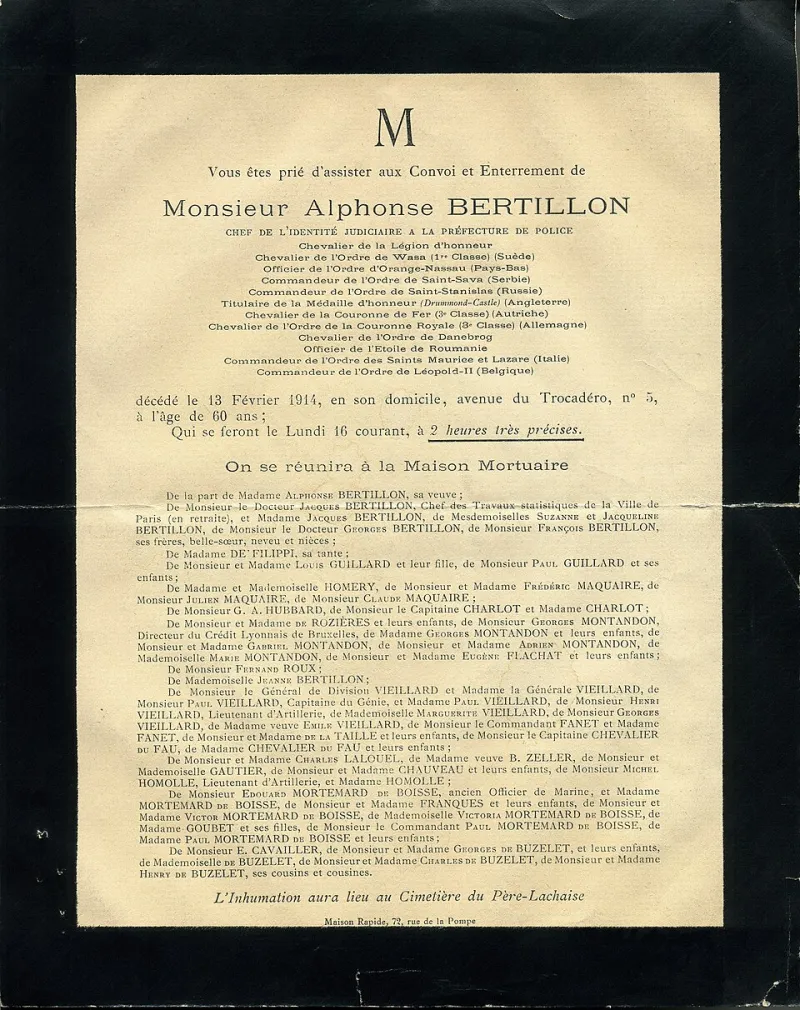
Photo: Maison Rapide, 72 rue de la Pompe, Paris, Public domain, via Wikimedia Commons
There are cards we buy with a grin — birthdays, anniversaries, a quick joke for a mate who has everything. Then there is the other sort. The one you reach for quietly, often on a grey afternoon, usually because someone you know is having the worst week of their year. A condolence card is not really stationery. It is a small, brave act of turning up.
At the shop, we see a fair few of these being chosen. People often come in with a name in mind and no idea where to start. They hover by the rack, pick up a card, put it back, pick up another. That is normal. There is no perfect card, and there are no perfect words. There is only the attempt, and the attempt matters more than most of us realise.
Why this card is different
A birthday card can be funny, bright, a bit daft. A condolence card has a narrower job. It needs to be warm without being fussy, sincere without sounding like a fridge magnet, and steady without pretending to fix anything. The best ones tend to be simple: a plain border, a soft illustration, a few honest words on the front. Nothing that shouts. Nothing that tries too hard.
When you are choosing, think about the person receiving it. Would they prefer something traditional and understated? Something with a little nature on it — a leaf, a bird, a quiet landscape? Or something almost blank, so the message inside does the work? If you are buying for a close friend, you might choose differently than for a neighbour or a colleague. That is not overthinking. That is care.
Buying it in person, and why that helps
You can order a condolence card online in about ninety seconds. It will arrive in a envelope, probably with a generic printed message, and it will do the job. But there is something to be said for choosing one in person, especially in a small place like Honiton.
At the counter, you can hold the card. You can feel whether the paper is thick or flimsy. You can check whether the envelope is a sensible size for posting. You can ask a human being which ones people tend to choose. And you can take your time without a website telling you what other people bought. That last bit matters. Grief is not a trend, and a condolence card should not feel like a checkout suggestion.
There is also the quiet usefulness of a local shop. If you are not sure what to write, you can say so. We have seen enough cards go out to know that most people feel awkward about this. You are not the first person to stand there wondering whether 'sorry for your loss' sounds too formal or whether a longer note will feel intrusive. A quick chat by the till can settle those nerves better than a search engine can.
Timing: sooner than you think, later than you fear
The usual advice is to send a condolence card within a week or two of hearing the news. That is a good guide, not a rule. If you miss that window, send it anyway. A card that arrives three weeks later is still a kindness. A card that arrives after the funeral is often especially welcome, because that is when the practical busyness falls away and the quiet sets in.
If you know the family well, you might send a card straight away and then follow up with a note or a phone call later. If you are further out — a work colleague, a friend of a friend, a neighbour you nod to — one thoughtful card is plenty. The point is not to perform grief. The point is to let someone know they are not alone.
What to write when words feel small
This is the part that stops most people. We worry about saying the wrong thing, so we say nothing, or we fill the card with clichés. A few gentle guidelines can help.
Keep it short. A condolence card does not need three paragraphs. Two or three sincere sentences are often enough. Use the person's name. Mention the person who has died if you knew them, even briefly. Avoid trying to explain the loss or make it better. Phrases like 'at least they had a good innings' or 'everything happens for a reason' usually land badly, even when they are meant kindly. Avoid giving advice unless you are very close to the person. And do not worry about perfect handwriting. A slightly wobbly message written by hand is worth more than a flawless printed one.
If you did not know the person who died, that is fine. You can write to the bereaved person directly. 'I was so sorry to hear about your dad' is enough. You do not need to pretend you had a relationship you did not have.
A few simple message ideas
Here are some starting points. Change them so they sound like you.
- 'I was so sorry to hear about [name]. Thinking of you and your family.'
- 'I do not have the right words, but I wanted you to know I am thinking of you.'
- 'I will always remember [name]'s kindness when I first moved to Honiton.'
- 'No need to reply to this. I just wanted to send my love.'
- 'I am so sorry for your loss. I am here if you need anything, even just a cup of tea.'
That last one is useful because it offers something specific without pressure. 'Let me know if you need anything' is kind, but vague. 'I will drop round some milk and bread on Thursday' is kinder still, if you can follow through.
The envelope, the address, the follow-up
A condolence card is not much use if it sits in your bag for a fortnight. Write the envelope at the same time as the card. Check the address. Use a first-class stamp if you want it to arrive promptly, but do not panic if it goes second class. It will still get there.
If you are posting locally, the card will probably arrive the next day. If you are sending further afield, give it a few days. And if you are hand-delivering, resist the urge to knock and have a long conversation unless you know the person well. A card through the door is often enough. It gives the recipient the chance to read it in private, which is sometimes exactly what they need.
A small local habit
Honiton is a town where people still know each other's names. That is one of the good things about living here. It means a condolence card from a neighbour, a fellow parent at the school gate, or the person who serves you in the shop can carry a little extra weight. It says: I see you. I am sorry. I have not forgotten.
So if you find yourself standing by the card rack this week, unsure which one to choose, take a breath. Pick one that feels calm and honest. Write a few words. Address the envelope. Post it. You do not need to get it perfect. You just need to send it.