A Piano, a Puss and a Spare Room: The Quiet Life of Honiton's Classified Columns

Photo: local newspaper classified ads page close up with reading glasses and cup of tea on wooden table, via www.intotheminds.com
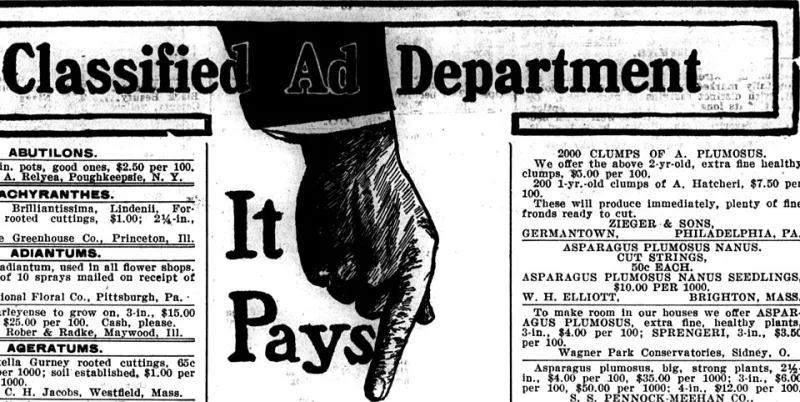
There is a particular way a newspaper sounds when it is opened to the classified pages. Not the crisp slap of the front page, all headlines and urgency, but a softer rustle somewhere near the back. It is the sound of someone settling in. At the counter of Honiton Paper Shop, we see it most mornings: a customer buys the local paper, folds it once, then stands for a moment with a thumb pressed against the small ads. They are not looking for war, politics or the weather. They are looking for a piano teacher, a spare room, a missing cat, or someone to help on a Saturday.
The classified columns are not the loudest part of the paper. They are not meant to be. But they are, in their own quiet way, the most Honiton part of it.
The Page Nobody Rushes Past
Most of us read the news in a hurry. We scan the headlines, check the football, tut at the council, and turn over. The small ads ask for a different kind of attention. They are written in short, practical sentences, often by people who have never written an advertisement before in their lives. That is exactly why they work.
A line that says "Piano, good condition, tuned last year, buyer collects" tells you almost nothing and everything at once. It tells you there is a house in town where someone has decided, gently and probably after a long time, that the piano has had its day. It tells you there is a spare hour on a Saturday and a van that might be borrowed. It tells you that Honiton still does business the old way: neighbour to neighbour, with a phone number and a bit of trust.
The same is true of the lost cat notices. You can read a dozen of them in a lifetime and still stop at each one. A name, a colour, a road, a photograph that has been photocopied one too many times. They are not really advertisements at all. They are small flares sent up by someone who hopes the town is still looking.
A Map Drawn in Six Lines
If you read the classifieds properly, they begin to look like a map of the town. Not the map with the bypass and the retail park, but the other one: the map of who needs what and who might have it.
There is a spare room in a house near the top of town, offered to a quiet lodger. There are piano lessons, offered by someone who has taught half the children in East Devon and remembers all their names. There is a volunteer appeal from a group that meets in a church hall and always seems to need one more pair of hands. There is a lawnmower, a pushchair, a set of golf clubs, a dining table that has hosted Christmas dinner for thirty years and is now looking for a new family.
None of these things are dramatic. That is the point. The classifieds are a record of ordinary life continuing. They are proof that the town is still making arrangements, still lending and borrowing, still asking and answering. In a world where so much of that has moved online, the paper version has become something stranger and more valuable: a slow, public noticeboard that anyone can read without creating an account.
Why Paper Still Holds the Room
It would be easy to say the internet killed the small ad. It did not kill it. It just made it noisier. Online marketplaces are vast and efficient, but they are also exhausting. You have to scroll, filter, dodge the scams, and wonder whether the person on the other end is real. The classified page asks none of that. It is small enough to read in a few minutes and local enough to feel possible.
There is also the matter of who reads it. Not everyone wants to join a group, download an app or post a photo. Some people still prefer to ring a number and hear a voice. Some people still like the idea that their advertisement will be read by a neighbour in the queue at the bakery, not by a stranger three counties away. The classifieds are not a marketplace. They are a conversation with the town, printed in small type.
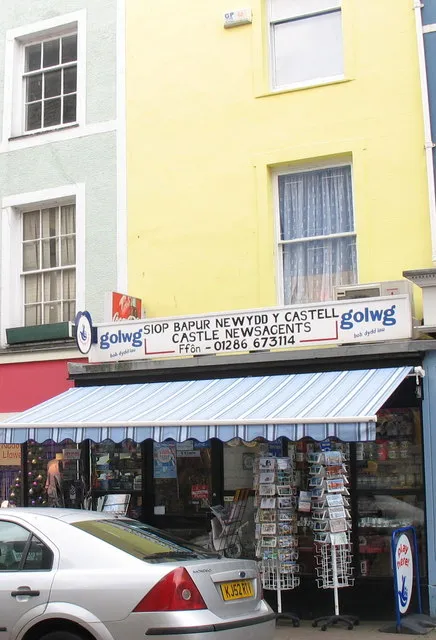
At Honiton Paper Shop, we keep the local paper on the rack by the window because it is still part of the daily rhythm. People come in for a card, a birthday wrap, a crossword, and leave with the paper under their arm. They do not always mention the small ads. But we see them turn to the back pages while they wait for the card to be bagged. It is a habit, and habits are hard to break for good reason.
How to Read Them Properly
The classifieds reward a certain kind of reading. Do not scan. Linger. Read the notices you do not need. You will learn more about Honiton in five minutes than you will from a month of scrolling.
Start with the animals. Lost cats, found dogs, kittens looking for homes. Then the rooms and the rentals, where you can trace the shape of the town's housing in a few short lines. Then the services: piano lessons, gardening, odd jobs, someone who will fix a gate. Then the appeals, which are often the most moving part of the page. A charity looking for volunteers. A church hall looking for a new roof. A family looking for a wheelchair ramp. These are the small print of a community that still expects to look after itself.
And if you spot something you might actually want, ring the number. That is the whole point. The classifieds only work if someone answers.
The Small Print, Big Heart
We are not suggesting that the small ads are the most important thing in the newspaper. They are not. But they are the part that feels most like a town talking to itself. They are the piano in the front room, the cat on the missing poster, the spare room above the shop. They are the quiet evidence that Honiton is still here, still swapping, still asking, still hoping.
So next time you pick up the paper, do not skip the back pages. Fold them open, read them slowly, and see what the town is saying this week. You might find a piano. You might find a friend. You might just find that the smallest notices have the biggest stories.