A Pencil Line Through the Year: The Honiton Birthday Book That Lives by the Kettle
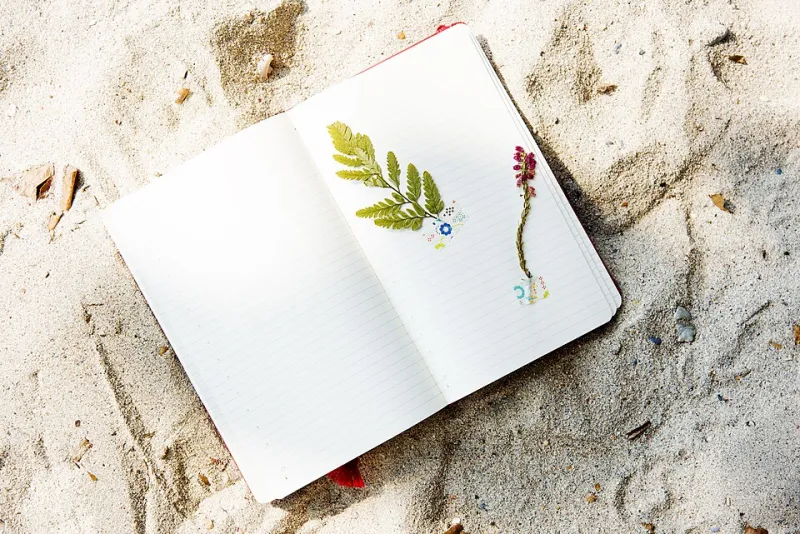
Photo: rawpixel.com rawpixel, CC0, via Wikimedia Commons
There is a particular kind of November afternoon in Honiton when the light goes soft by four o’clock and the kettle seems to switch itself on. You stand there waiting for it to boil, and beside the tea caddy there is a notebook. Not a grand journal. Not a planner with colour-coded tabs. Just a slim, slightly battered book with a pencil tucked into the ribbon, and a year’s worth of names written inside it.
That little book is the quiet hero of the birthday card. It is also, for many households, the difference between a card that arrives on time and one that arrives three days late with an apology scribbled inside. With 2026 drawing towards its close and next year’s cards already appearing in the shops, it is a good moment to start one — or to give the old one a proper looking-over.
Why the kettle beats the calendar app
Phones are marvellous for many things. They are less marvellous at being noticed. A reminder can buzz during a meeting, get swiped away, and vanish into the same digital drawer as everything else. A paper book by the kettle has one advantage: you stand next to it several times a day, usually with a free hand and a vague thought about what needs doing.
That is the whole trick. The birthday book works because it is in the path of ordinary life. It is not filed away. It is not in a drawer labelled ‘important’. It is right there, between the teabags and the biscuit tin, quietly waiting to be glanced at.
There is also something about handwriting. A name written in pencil by someone in your own house feels more like a person than a notification does. It nudges you to act, not just to acknowledge. And in a town like Honiton, where a card through the letterbox still counts for a great deal, that nudge is worth having.
Start with the dates you already know
The mistake people make with a birthday book is trying to build the whole thing in one go. They decide to gather every date from every cousin, second cousin and neighbour, become overwhelmed, and put the notebook back in the drawer. Better to begin small.
Start with the people you would actually send a card to: close family, a few friends, maybe the neighbours who take in parcels and always wave across the road. Add anniversaries if they matter to you. Leave the rest for later. A book with twelve names in it is useful. A perfect book that never gets started is not.
If you are unsure of a date, write it in pencil and put a small question mark beside it. That little mark is permission to ask later without turning it into an interrogation. You can also use an old Christmas card list as a starting point — most of us have one somewhere, even if it is folded into the back of an address book.
The right notebook, and the right spot
You do not need a special heirloom. An A5 hardback notebook is ideal: big enough for a month across two pages, small enough to sit on the worktop without taking over. A slim address book can work beautifully too, especially if it already has alphabetical tabs. The important thing is that it opens flat and has a ribbon or a pencil loop so you are not hunting for something to write with.
A wall calendar can also work, but it has a weakness: it gets replaced every January. A perpetual birthday book stays. That is the point. It gathers the dates once and then simply gets added to, year after year, like a family record that happens to be useful.
Where should it live? By the kettle is the classic spot. On the back of the kitchen door is another good one. Some people keep theirs beside the phone charger or in the drawer with the stamps. The right place is wherever you will see it without making a special trip. If you have to remember to look at it, it will not work.
One page per month, one line per name
Keep the format simple. Give each month a page or a double-page spread. Write the month at the top, then a line for each date. A useful line looks like this: ‘14 — Auntie Jean — birthday’. If you want to add a note, keep it short: ‘likes gardening’, ‘send to new address’, ‘anniversary’. Too much detail turns the book into a project.
A pencil is your friend here. Dates change, addresses change, and new people arrive. Pencil lets the book breathe. You might use pen for names and pencil for the details, or pencil throughout. There is no prize for neatness. The only test is whether you can find what you need in five seconds while the kettle is boiling.
Leave a few blank lines at the end of each month. New neighbours move in. Children start school and bring home new friends. Someone at the shop mentions their birthday in passing. A book with room to grow is a book that lasts.
A Sunday-night ritual
Once the book is set up, give it a small job. Every Sunday evening, while the kettle boils for the last cup of the day, glance at the next fortnight. Not the whole year. Just the next two weeks. If a card is needed, write it then, while you remember, and put it by the door with the stamps.
This is where the paper shop earns its keep. A small stash of cards — birthday, anniversary, a couple of blank ones for surprises — means you are never caught short. You can choose something properly rather than grabbing whatever is left in a supermarket on the way home. In Honiton, that usually means a walk to the High Street and a few minutes spent reading the captions on the back of cards. That is not a chore. It is one of the nicer errands of the week.
Gathering dates without being nosy
Asking for birthdays can feel strangely forward, but there are gentle ways to do it. Family group chats are useful: ‘I’m updating my birthday book — can everyone send me their dates?’ Older relatives often love being asked, because it means someone is keeping track. Neighbours are usually happy to oblige if you put it lightly: ‘I’ve got a daft little book by the kettle — remind me of your date?’
If someone seems unsure, do not push. Write the month in pencil and leave the day blank. You can always fill it in later. The book is meant to make kindness easier, not to become another source of pressure.
The phone can still help
The birthday book does not have to fight your phone. Use the phone for the noisy reminders — the calendar alert two days before, the message that pops up while you are out. Let the paper book be the source. It is the place where the dates live, where you can see the shape of the year, where a name catches your eye because it is written in your own hand.
If you want one digital safety net, set a reminder for the first day of each month that simply says: ‘Check the birthday book.’ That is enough. The rest is paper, pencil and a few minutes by the kettle.
A birthday book is not really about organisation. It is about noticing people. It is a small, practical way of saying that someone matters enough to be written down. And in a town where a card through the letterbox can brighten an entire morning, that is no small thing. Start with a notebook, a pencil and the dates you already know. The kettle will do the rest.